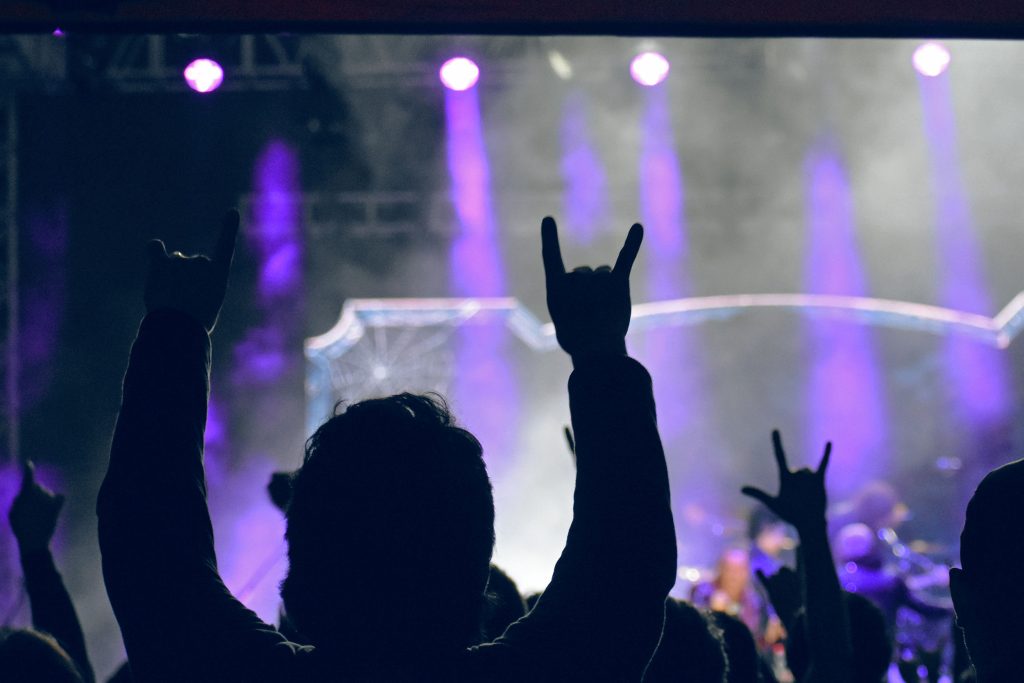
I’ve spent a lot of time thinking about marketing, and I’ve spent a lot of time at concerts. On the surface, those two worlds don’t seem like they have much in common. One involves campaigns, analytics, and content calendars. The other involves loud music, long lines, and spending far too much money on venue drinks.
But the more concerts I attend, the more I realize that live music culture understands something many marketers forget: people are looking for experiences, not just information.
The best concerts and the best marketing both make people feel something. They create anticipation, build connections, and leave lasting impressions long after the experience is over.
Here are a few lessons marketing can learn from concert culture.
Anticipation Is Part of the Experience
The concert doesn’t start when the band walks on stage. It starts when tickets go on sale. It continues through playlist preparation, outfit planning, group chats with friends, travel arrangements, and counting down the days until the show. The anticipation becomes part of the experience itself.
Great marketing works the same way. Some brands focus entirely on the launch, announcement, or event itself, while overlooking everything that happens beforehand. The most successful campaigns build excitement long before the product is available. People enjoy looking forward to things. Creating anticipation gives audiences a reason to engage before the main event even arrives.
Community Creates Loyalty
People rarely attend concerts just because they enjoy the music. They attend because they enjoy being around other people who love the same music. There’s something powerful about standing in a crowd of strangers and realizing everyone knows the same lyrics. For a few hours, complete strangers feel connected through a shared experience.
Brands often focus heavily on acquiring customers while paying less attention to creating community. Yet some of the strongest brands in the world have built loyal followings because they’ve given people a place to belong. When customers feel like they’re part of a community rather than simply making a purchase, loyalty tends to follow naturally.
Emotion Matters More Than We Like to Admit
Nobody leaves a concert talking about technical specifications. They talk about how it felt. They remember the song that gave them chills. The moment the lights went down. The crowd singing along. The unexpected encore. People remember emotions far longer than details.
This applies to marketing across nearly every industry, even highly technical ones. Features, data, and specifications matter, but emotion is often what captures attention and creates connection. The most memorable marketing doesn’t just communicate information. It creates a feeling.
Authenticity Is Easy to Spot
Concert audiences can tell when an artist is genuinely enjoying themselves on stage. They can also tell when something feels forced.
The same is true in marketing. Consumers have become increasingly skilled at recognizing content that feels overly scripted, trend-chasing, or disconnected from reality. The brands that tend to earn trust are the ones that communicate in ways that feel authentic to who they actually are.
Authenticity isn’t about being perfect. It’s about being consistent and believable.
The Experience Doesn’t End After the Purchase
Buying a concert ticket is only one small part of the overall experience.
Everything else matters too:
- the ticketing process
- venue communication
- merchandise
- customer service
- social media content
- the event itself
Every touch point contributes to the audience’s perception.
Marketing teams sometimes focus heavily on generating leads and closing sales while overlooking what happens afterward. In reality, customer experience is often one of the strongest forms of marketing a company has. People remember how a brand made them feel long after they forget the campaign that brought them there.
The Best Moments Are Shareable
Think about how many people leave concerts with photos, videos, stories, and memories they can’t wait to share. The experience naturally generates content because people want to talk about it.
The strongest marketing often works the same way. Instead of constantly asking customers to share content, successful brands create experiences worth talking about in the first place. Word-of-mouth becomes much easier when people genuinely want to tell others about what they experienced.
Consistency Builds Trust
Every band has a unique identity. Even when artists evolve, there’s usually a recognizable thread connecting everything they create. Fans know what the band stands for, what it sounds like, and how it makes them feel.
Brands benefit from that same consistency. Whether someone interacts with your website, social media channels, customer support team, or sales representatives, the experience should feel connected. Consistency helps people know what to expect, and predictability builds trust.
People Want Stories, Not Just Information
One of the reasons concerts feel so meaningful is that music often becomes attached to memories, milestones, and personal stories. The songs become part of people’s lives.
Marketing becomes far more effective when it focuses on stories rather than simply listing features or benefits. Stories help people see themselves in the experience. They create context, emotion, and meaning.
Facts tell people what something is. Stories help people understand why it matters.
The Best Brands Create Fans
Not every concertgoer is a casual listener. Many are fans. They buy merchandise. They travel for shows. They introduce friends to the music. They stay engaged for years.
The strongest brands inspire similar behavior. Their customers don’t simply buy products. They become advocates, ambassadors, and loyal supporters. That level of loyalty isn’t built through promotions alone. It’s built through trust, connection, consistency, and memorable experiences over time.
Final Thoughts
Concert culture offers a surprisingly useful reminder for marketers: people are emotional, social, and experience-driven. They want to feel connected. They want to belong. They want stories they can remember and experiences they can share.
The brands that succeed aren’t always the ones with the biggest budgets or the loudest campaigns. They’re often the ones that understand how to create meaningful moments and genuine connections.
In many ways, great marketing isn’t that different from a great concert. Both leave people feeling like they were part of something worth remembering.